Five Affordable Destinations in Southeast Asia
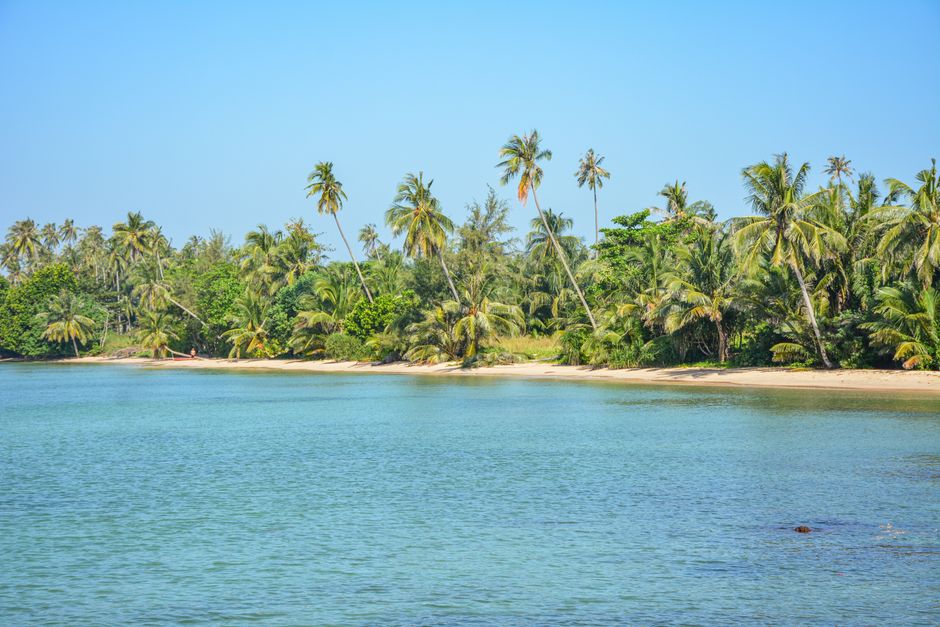
Southeast Asia has long been a region that captures the imagination of travelers seeking diverse experiences without straining their finances. The combination of rich cultural heritage, natural landscapes, and well-established tourism infrastructure makes it a practical choice for those who wish to explore multiple countries over an extended period. For many, the appeal lies not only in the low cost of living but also in the opportunity to engage with local traditions and cuisines in a meaningful way. Understanding how to navigate accommodation options and food choices can significantly enhance the overall travel experience while keeping expenses manageable.
This article examines five countries in Southeast Asia—Thailand, Vietnam, Cambodia, Laos, and Indonesia—focusing on the types of budget-friendly accommodations and local food offerings that travelers may encounter. The information presented is based on general travel patterns and publicly available data rather than personal endorsements. Each destination has its own distinct characteristics, and the approaches described here are intended to provide a framework for planning rather than a guarantee of specific outcomes. External factors such as seasonal demand, exchange rates, and individual preferences will always play a role in the final cost and quality of a trip.
Thailand: A Well-Established Hub for Budget Travel
Thailand remains one of the most visited countries in the region, and its tourism sector offers a wide range of options for those traveling on a limited budget. In cities like Bangkok and Chiang Mai, as well as in beach destinations such as Krabi and Koh Samui, travelers can find guesthouses and hostels that provide basic but clean rooms for very reasonable nightly rates. Many of these establishments are concentrated in areas with convenient access to public transportation, which reduces the need for expensive private transfers. The availability of street food is another factor that contributes to low daily expenses. Markets and food stalls in Thailand offer dishes such as pad Thai, som tam, and curries for prices that are often a fraction of what a sit-down restaurant would charge.
Accommodation types vary widely, from dormitory-style hostels to private bungalows. The key for budget-conscious travelers is to book in advance during peak seasons, as prices can rise significantly when demand is high. Some guesthouses also include complimentary breakfast or drinking water, which can further reduce daily costs. It is common for travelers to negotiate longer stays for a discounted rate, especially in smaller towns. While the variety of choices is abundant, the quality and cleanliness of budget accommodations can differ, so reading recent reviews or consulting local recommendations can be helpful. Overall, Thailand provides a strong foundation for exploring the region without requiring a large upfront investment.
Vietnam: Affordability Meets Culinary Depth
Vietnam has gained a reputation for offering exceptional value, particularly when it comes to food. Cities like Hanoi and Ho Chi Minh City are dotted with pho stalls, banh mi vendors, and family-run eateries where meals cost very little. The local food culture emphasizes fresh ingredients and regional variations, which means travelers can sample a wide range of dishes without spending much. Accommodation follows a similar pattern. Hostels and budget hotels are common in tourist areas, and many offer private rooms at prices comparable to dormitory beds in other parts of the world. Homestays in rural areas, such as in Sapa or the Mekong Delta, provide an opportunity to experience local hospitality at even lower rates.
Transportation within Vietnam is also relatively inexpensive, with buses and trains connecting major cities. Travelers often use overnight trains to save on both accommodation and travel time. The cost of living varies between the north and south, but overall, daily expenses can remain quite low for those who choose local eateries and modest lodgings. One aspect that may affect spending is the need for bottled water, as tap water is not generally safe to drink. However, many accommodations provide free water refills. Understanding the local currency and practicing basic price negotiation at markets can lead to further savings. The combination of low-cost accommodation and deeply rooted food traditions makes Vietnam a practical destination for those prioritizing both budget and cultural immersion.
Cambodia: Historical Sites and Simple Living
Cambodia offers a more understated travel experience, with a focus on historical exploration and natural scenery. The main draw for many visitors is the Angkor Wat temple complex near Siem Reap, but the country also has coastal areas like Sihanoukville and rural provinces like Battambang. Budget accommodations in Cambodia are among the most affordable in the region. Guesthouses in Siem Reap often provide clean rooms with air conditioning for very low nightly rates, and many include a basic breakfast. The food scene is similarly economical. Local markets sell dishes such as amok (a coconut-based curry), grilled meats, and fried noodles at prices that allow travelers to eat well without exceeding their budget.
One consideration for budget travel in Cambodia is the cost of entrance fees to major attractions. The Angkor pass, for example, has a fixed price that cannot be negotiated. However, the overall daily expenses outside of such fees remain low. Travelers often find that hiring a bicycle or joining a shared tuk-tuk for temple visits is a cost-effective way to explore. In Phnom Penh, budget hostels and street food stalls are plentiful. The local cuisine uses ingredients like lemongrass, galangal, and fish sauce to create distinctive flavors. While the country’s infrastructure is less developed than that of Thailand, the lower cost of basic services can offset the need for careful planning. For those who are flexible with their itinerary, Cambodia can be a very accommodating destination for thin wallets.
Laos: Laid-Back Pace and Low-Cost Living
Laos is often described as a country where time moves slowly, and this pace extends to its travel costs. The capital, Vientiane, and the popular town of Luang Prabang offer a limited but sufficient range of budget accommodations. Guesthouses and small hotels in these areas typically charge modest rates, and many are located near markets or riverfront areas. The food in Laos is heavily influenced by neighboring Thailand and Vietnam, but it has its own identity. Sticky rice is a staple, and dishes like laap (minced meat salad) and tam mak hoong (papaya salad) are widely available at low prices in local eateries. Food stalls in morning markets are a good option for those seeking authentic flavors at minimal cost.
Transportation in Laos can be a bit more challenging due to its mountainous terrain and limited road networks. However, buses and shared minivans connect major destinations, and the cost per trip is generally low. Some travelers opt for slow boat trips along the Mekong River, which combine transportation with scenic value. Accommodation in more remote areas, such as in the Si Phan Don (Four Thousand Islands) region, tends to be basic but very cheap. The absence of a strong tourism infrastructure in many parts of Laos means that travelers should be prepared for simpler amenities. This simplicity, however, often results in lower overall expenses. For those who prioritize tranquility and cultural authenticity over modern conveniences, Laos presents a viable option for extended stays on a limited budget.
Indonesia: Island Diversity and Budget Options
Indonesia is an archipelago with a vast range of cultures, landscapes, and price points. While Bali is the most famous destination and can be more expensive in certain tourist areas, there are many islands where costs remain low. In Yogyakarta on Java, for example, budget hotels and guesthouses are numerous, and street food such as gudeg (jackfruit curry) and sate are very affordable. The island of Lombok offers cheaper alternatives to Bali, with similar beaches and hiking opportunities. In Sumatra, places like Bukit Lawang and Lake Toba provide budget accommodation in natural settings. The key to keeping costs down in Indonesia is to avoid heavily commercialized resorts and instead seek out local lodgings and warungs (small family-owned eateries).
Food in Indonesia is diverse, and local dishes often cost only a fraction of what Western food would cost in tourist areas. Nasi goreng (fried rice), mie goreng (fried noodles), and various sambal-based dishes are common and inexpensive. Travelers can also find fresh fruit and snacks at markets. Accommodation varies from homestays to basic hotels, and many places offer discounts for longer stays. Internal flights and ferries between islands can add to the budget, but careful planning and booking in advance can help manage those expenses. The sheer size of Indonesia means that travelers can spend several weeks exploring without seeing a significant rise in daily costs, provided they choose destinations that are less frequented by mass tourism. The combination of natural beauty and low overhead makes Indonesia a strong contender for budget-minded adventurers.


